How Do I Keep My Gaming Area From Taking Over the Whole Room?
Gaming setups can Go to this website quickly transform from a cozy corner to a sprawling presence that dominates your entire room if you’re not careful. Whether you’re setting up a shared space gaming setup in a bedroom, living room, or multipurpose area, managing the balance between comfort and space conservation is crucial. As someone who controller storage wall mount spent nearly a decade fitting office and gaming furniture, armed with a tape measure that’s always ready in a drawer, I’ve seen plenty of setups where the desk eats up far too much floor space or chairs block door swings. Let’s go through how you can prevent this from happening.
Start with Measuring: The Foundation of a Good Setup
Measure the Floor Space and Identify Obstacles
Before you bring in any new furniture or gear, take a moment to measure the entire room. A simple floor plan sketch — drawn on a piece of paper or with a free digital tool — can save you hours of re-arranging later.
- Grab your trusty tape measure and note the length and width of the room.
- Mark locations of door swings, windows, radiators, and electrical outlets.
- Identify any permanent features like built-in shelves, closets, or wall vents that might impact desk placement.
Remember, many gamers overlook how door openings can interfere with desk corners, effectively “wasting” valuable clearance space. This is an issue the Occupational Safety and Health Administration (OSHA) actually highlights in their ergonomic guidelines—blocking pathways can be a safety hazard.
Why Outlets Matter More Than You Think
Knowing outlet placement helps immensely with cable management under desk setups and overall ergonomics. Simply placing your desk near an outlet helps you avoid trailing wires and excessive extension cord use, which can make a room feel cluttered and unsafe.
Desk Size Should Match Your Equipment and Activity
Measure Your Gear — Not Just Guess
It’s tempting to go big on the desk size, especially if you’re building a high-end gaming rig or want multiple monitors. One client recently told me made a mistake that cost them thousands.. But big desks mean less floor space and less walking room around the desk. Here's how to make sure you pick the right size:
- Measure your main monitor(s) and gaming keyboard. Don’t rely on “screen size” specs alone—measure the actual width and height of the monitor’s frame.
- Include space for accessories like a mousepad, headphones, or a cup of water.
- Consider the type of gameplay. Fast-paced action games prefer minimal mouse movement area, while simulation or creative gaming might require more desk real estate.
For example, a sleek setup for an online casino player on a site like mrq.com may only need a single widescreen monitor and a compact keyboard, allowing for a desk as small as 48” wide.

Be Wary of Desks That Leave No Room to Move
Resist oversized desks that pin you into a corner of the room with no “wiggle room.” You’ll want room for chair clearance and general mobility, which we will cover next.
Chair Clearance Is the Make-or-Break Measurement
Leave Space Behind the Chair — Always
This is probably the most commonly ignored factor in gaming and office setups. The chair isn’t just a seat—it’s a dynamic piece of your work or play area.
- Measure your gaming chair's depth and width including the base and armrests.
- Allow at least 24-30 inches behind the desk for the chair to be pulled out comfortably and for easy access.
- Ensure the desk doesn’t block doors or pathways once the chair is moved back.
Failing to leave adequate clearance for chair movement not only cramps your space but also risks damage to walls, door frames, or the desk itself each time you move in and out. From an ergonomic perspective, proper clearance improves posture and reduces fatigue, which OSHA also advocates in their workspace recommendations.
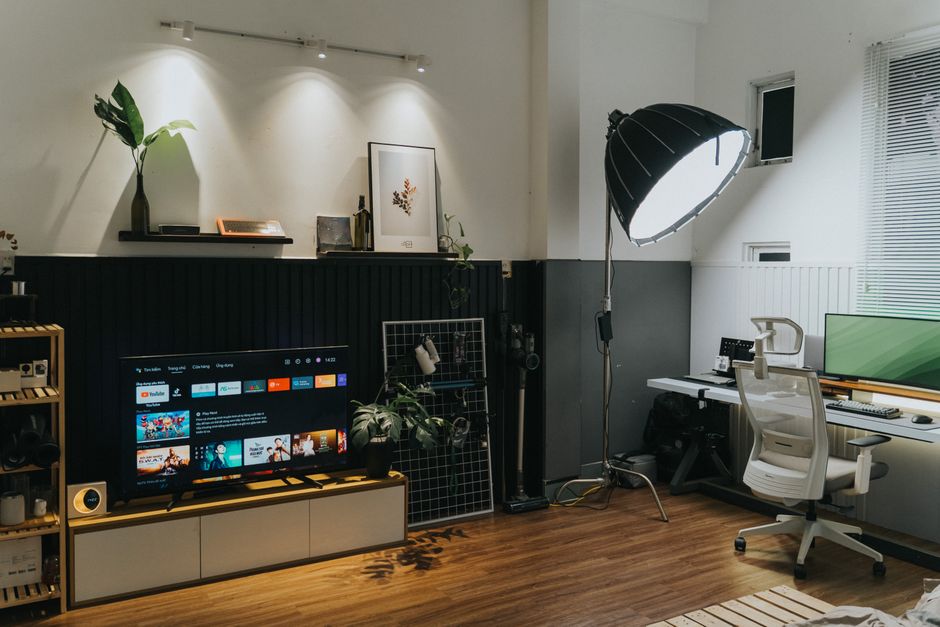
Think About Under-Desk Cable Management
Good cable management under desk setups creates room for your chair’s movement legs and your feet. Use cable trays or zip ties to keep wires off the floor, freeing space and eliminating trip hazards. This keeps the floor visually clear, making your gaming area feel less cluttered and more inviting.
Monitor Size vs. Real Width and Height
Understand the Real Footprint of Your Screen
Screen size is usually quoted diagonally, but what affects desk and room space is the monitor’s actual width and height, including the bezel.
Screen Size (Diagonal) Approximate Width Approximate Height 24 inches 21 inches 12 inches 27 inches 24 inches 13.5 inches 32 inches 28 inches 16 inchesMake sure your desk can comfortably hold the monitor without forcing it at the very edge or overhanging, and don’t forget to account for any monitor stands or mounts.
Positioning Relative to Windows and Lights
An often overlooked mistake is placing monitors opposite a bright window or light source, then blaming eye strain or glare on the screen itself. Proper setup means positioning your desk perpendicular to windows if possible, or using blinds to control natural light. This keeps your gaming experience enjoyable without sacrificing room layout.
Extra Tips for Maintaining a Balanced Shared Space Gaming Setup
- Use Vertical Storage Solutions: Shelves and wall mounts keep peripherals and décor off the floor and desk.
- Opt for Multi-Use Furniture: Folding desks, or desks with pull-out drawers provide flexibility in shared spaces.
- Maintain Regular Decluttering: The more equipment and cables you collect, the more overwhelming the space can become.
- Adaptable Lighting: Use task lighting or adjustable LED strips to avoid bulky lamps taking up desk or floor area.
Final Thoughts
Keeping your gaming area from taking over the whole room boils down to thoughtful measurement and planning. Use your tape measure liberally — measure twice, buy once. Sketch out a simple floor plan and include all obstacles and outlet locations. Match desk size precisely to your gear and how you game, while never sacrificing the critical chair clearance space. Remember that the monitor's real physical size often surprises people who only think about diagonal inches.
With mindful arrangement and good cable management under desk spaces, you’ll have a gaming setup that blends harmoniously into your living area without dominating it. This creates a cleaner, safer, and more enjoyable environment — something that organizations like OSHA would truly recommend for any workstation, gaming or otherwise.
You ever wonder why happy gaming—without taking over the room!