How Do I Design a Calm Living Space That Still Works for Recovery Needs?
Creating a living space that feels calm, comfortable, and also supports recovery can seem like a juggling act. Whether you're recuperating from illness, managing chronic conditions, or simply looking to foster wellbeing at home, combining comfort and functionality is key. In today’s guide, we'll break down the essentials for designing a space that breathes fresh air, nurtures your health, and suits daily recovery tasks.
Start with What You Can Measure: Air Quality and Ventilation
One of the first and most important factors in a health-focused living space is air quality. Often invisible, poor indoor air quality can sneak up on you, leading to headaches, fatigue, or worsening respiratory conditions before you notice symptoms.
Why Ventilation Matters
Fresh air circulation is not just about comfort—it’s a vital element of recovery and health. Proper ventilation helps dilute pollutants, manages moisture, and prevents mould growth, which is a serious health risk.
- Extract fans are an effective way to remove stale, humid, or contaminated air, especially in kitchens and bathrooms where moisture builds up.
- Place them strategically to address humidity sources, but be mindful of noise levels—fans should be quiet enough to run continuously without annoyance.
- Layer ventilation with natural airflow options, like opening windows where practical, to give your space fresh air without mechanical noise.
Common Ventilation Installation Mistakes to Avoid
In the rush to improve air quality, some common errors reduce ventilation effectiveness:
- Overlooking continuous ventilation: Fans that run only while the bathroom or kitchen is in use miss the chance to keep humidity levels consistently low.
- Ignoring noise impact: Noisy fans, while powerful, deter use and defeat their purpose.
- Installing fans without proper extraction points: Air pulled from one room must have a clear outlet; otherwise, stale air circulates.
- Failure to balance air supply and exhaust: An exhaust fan without adequate fresh air inlet creates negative pressure that may pull pollutants from unintended areas.
Damp and Mould: The Invisible Health Hazard
Damp and mould aren't just unpleasant—they can exacerbate respiratory issues, allergies, and even mental health concerns during recovery. The challenge is that damp often hides behind walls or under surface finishes until it’s a noticeable problem.
Preventing damp means controlling moisture sources and ensuring good airflow. Aside from ventilation, consider these small fixes that actually work:
- Use a dehumidifier in areas prone to humidity.
- Address leaks promptly, whether from plumbing or roof damage.
- Choose tile and stone surfaces that resist mould—this is where Unique Tiles, with their extensive range of tile, stone, and worktops in Crewkerne, shine. Selecting moisture-resistant materials for bathrooms and kitchens helps maintain a clean environment.
Designing Comfortable Chair Setups and Task Lighting for Everyday Recovery
A calm living space for recovery must offer spots to rest, focus, and engage in homify.co rehabilitation or hobbies without endless discomfort.
Comfortable Chair Setup
A well-designed chair setup supports posture, reduces pain, and encourages relaxation. When selecting your seating, consider:
- Support: Look for ergonomic features that match your recovery needs.
- Adjustability: Chairs with adjustable height and reclining options accommodate different activities.
- Accessibility: Easy to get into and out of, without risking strain.
- Style and Comfort: This is where Utology from Birkenhead comes into play, offering a 5-star rated collection of furniture and accessories that blend comfort with style, perfect for a recovery-focused living space.
Task Lighting and Accessible Power
Layered lighting on separate circuits enables you to control light intensity according to the time of day and task—reducing eyestrain and encouraging a natural rhythm.
- Task lighting focuses illumination where you need it most: reading areas, craft workspaces, or medication corners.
- Accessible power sockets near seating make it easy to plug in devices like lamps, medical equipment, or chargers without overreaching or trailing cables.
- Lamps with dimmers or multiple bulbs let you adjust brightness for comfort and functionality.
Understanding Circadian Lighting Timing: Sync Your Space with Your Body Clock
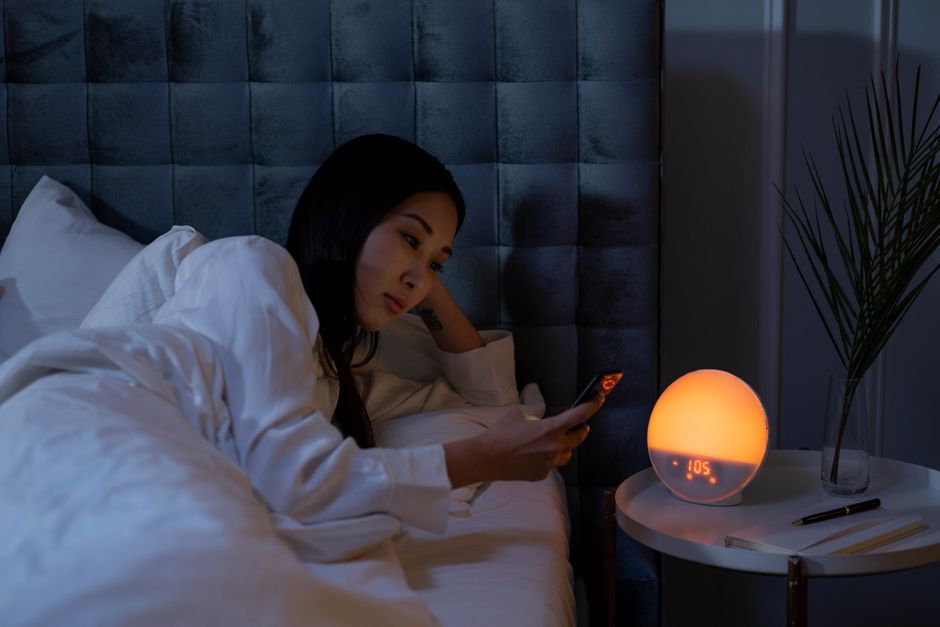
Circadian rhythms govern your sleep-wake cycle and overall wellbeing. Our bodies respond to light cues, so incorporating lighting that mimics natural daylight cycles enhances recovery.
Time of Day Type of Light Effect on Body Morning Cool, blue-enriched light (~5000K) Boosts alertness, mood, and cognitive function Afternoon Neutral, balanced light (~3500K) Maintains focus without overstimulation Evening Warm, amber light (~2700K) Promotes relaxation and melatonin production for sleepSetting up your lighting circuits allows you to toggle these modes easily. For example, a morning task light with cool tones helps wake you up gently, while dimmable warm lamps reduce sensory overload as you wind down.
Bringing It All Together: Small Fixes That Actually Work
To recap, designing a calm living space for recovery doesn't have to involve major renovations. Focus on:
- Measuring humidity and temperature: This guides how you adjust ventilation and heating.
- Installing quiet, continuous extract fans to reduce dampness and air contaminants.
- Choosing mould-resistant materials like those from Unique Tiles for wet areas.
- Investing in comfortable, supportive seating from trusted suppliers like Utology.
- Layering lighting on separate circuits that match circadian rhythms.
- Ensuring task lighting and accessible power outlets near your seating areas.
By prioritising air quality first and carefully planning your furniture and lighting, you can create a living environment that truly supports recovery—and maybe even makes you look forward to spending time at home.

Where to Find Help
- Utology (Birkenhead): Explore their 5-star rated furniture and accessories collections tailored for comfort and style in recovery spaces.
- Unique Tiles (Crewkerne): Browse extensive tile, stone, and worktop options known for durability and moisture resistance to keep your home healthy.
If you’re tackling home adjustments yourself or with professionals, remember: good ventilation and lighting design aren’t just upgrades—they’re foundational to health and wellbeing.